



Curriculum
Our Foundation Stage classes follow the British Early Years Foundation Stage (EYFS) framework, providing children with a safe, stimulating, and nurturing environment where they can play, explore, discover, and learn with confidence. From Year 1 onwards, students follow the UK National Curriculum, ensuring a seamless progression from early childhood learning to a broad and balanced education that promotes knowledge, skills, creativity, and independent thinking.
We recognise that every child is unique and develops at their own pace. Our curriculum is carefully designed to support the diverse needs of our diverse learning community while fostering a love of learning from the earliest years. Through a balanced blend of child-led exploration and guided learning experiences, we encourage children to become independent, confident, and inquisitive learners.
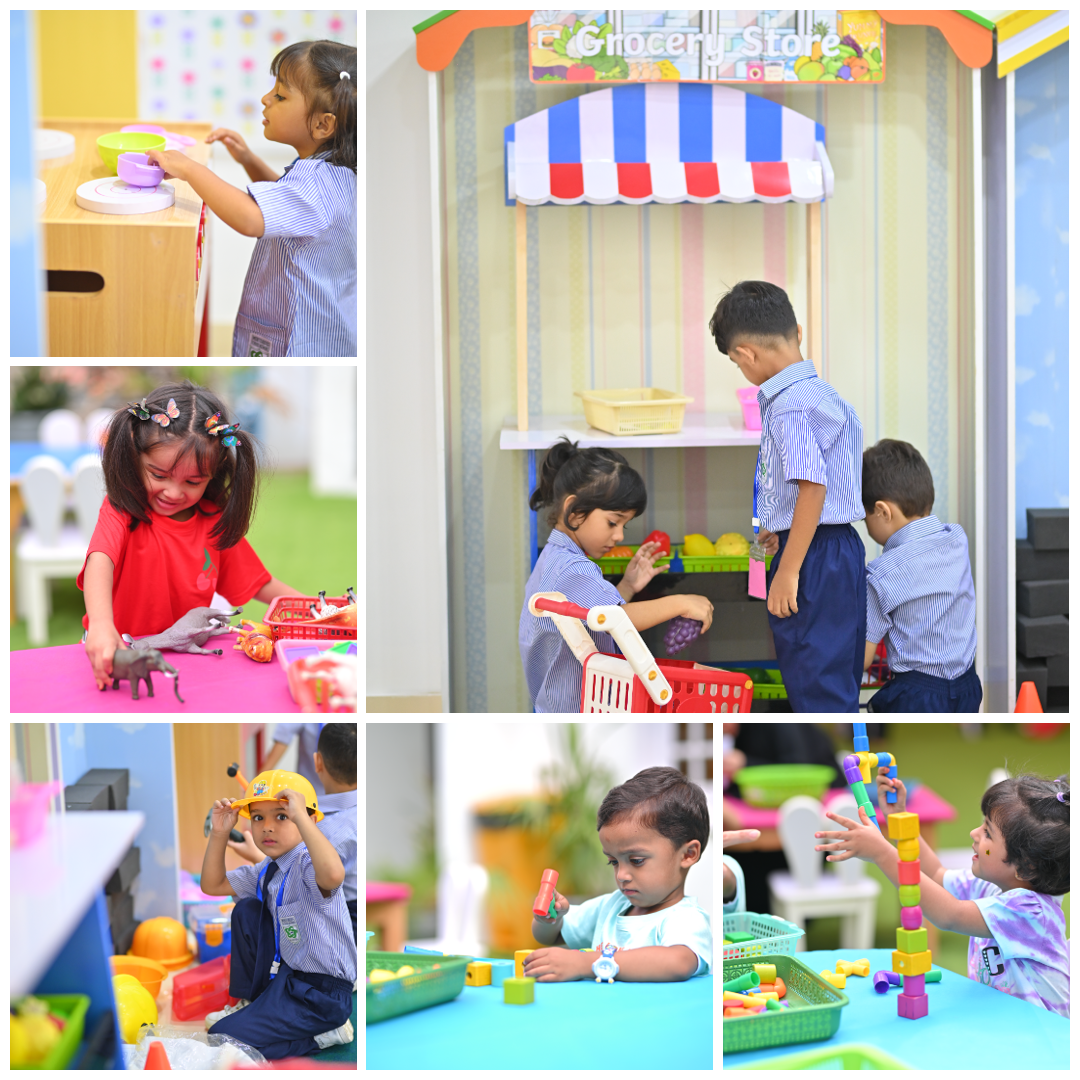
At the heart of the EYFS framework is the belief that children learn best through purposeful play, exploration, and meaningful first-hand experiences. The curriculum supports children's development across seven areas of learning: Communication and Language, Physical Development, Personal, Social and Emotional Development, Literacy, Mathematics, Understanding the World, and Expressive Arts and Design.
Learning is delivered through engaging, hands-on experiences that promote creativity, critical thinking, problem-solving, and collaboration. We also place strong importance on the development of Listening, Speaking, Reading and Writing (LSRW) skills, creating a solid foundation for future academic success. Our experienced educators regularly observe and assess each child's progress, ensuring that learning opportunities are tailored to their individual strengths, interests, and developmental needs.
At the heart of our curriculum is the holistic development of every child. Alongside academic learning, we nurture values such as respect, kindness, responsibility, tolerance, empathy, and integrity. We believe that positive values are best developed through everyday experiences, relationships, and positive role modelling. Our educators create an inclusive and caring environment where children learn the importance of discipline, harmony, mutual respect, and responsible citizenship.
We value strong partnerships with parents and recognise that working together plays a vital role in supporting each child's learning and development. The skills, knowledge, and positive attitudes developed during the Foundation Stage provide a strong foundation for a successful transition into Year 1 and the UK National Curriculum.
By fostering strong character, confidence, resilience, and a lifelong love of learning, we aim to prepare our children not only for the next stage of their education but also for their future role as responsible, compassionate, and successful global citizens.